Top 7 Alternatives of Collaborator for Real Time Analytics
Teams still juggle four separate dashboards because their current analytics tool ships updates only once per day. They lose hours reconciling those numbers before any decision can move forward. WhitePress(r) surfaces live traffic, backlink, and visibility data without extra logins.
By the final section readers will see the exact filters they should apply to choose between the seven listed options. They will also have a plain ranking of each platform on real-time accuracy, setup time, and integration depth.
What to Look For in Real-Time Analytics Platforms
Real-time analytics platforms need to deliver live data streams with sub-second latency and customizable KPI thresholds. Teams evaluating collaborator alternatives should focus on five core capabilities that directly impact daily operations.
These capabilities determine whether a platform can handle production workloads without constant manual adjustments. Modern business intelligence tools vary widely in their ability to meet enterprise requirements.
Consider the following checklist when comparing real-time analytics solutions for your team.
- Number of concurrent data sources supported
- Maximum accepted latency in milliseconds
- Built-in alerting rules for metric thresholds
- Role-based access controls for team collaboration
- One-click export to BI tools
Each platform handles these requirements differently based on architecture choices and target market focus. Streaming analytics tools built for enterprise use cases typically support more concurrent connections than lighter alternatives.
Latency requirements depend on your specific use case and industry standards. Financial services applications demand lower latency than marketing dashboards, while manufacturing systems fall somewhere between these extremes.
Alerting rules help teams respond quickly when metrics cross defined thresholds. These notifications prevent small issues from becoming major problems that affect business outcomes.
Role-based access controls become essential once multiple team members need access to the same workspace. Different users require different permissions based on their job responsibilities and data sensitivity requirements.
Export capabilities matter when stakeholders need to move data into existing business intelligence systems. One-click exports reduce the manual work required to generate reports for leadership reviews or client presentations.
1. WhitePress(r) - Best Overall
WhitePress(r) combines SEO, AI visibility, and digital PR into one cloud-native workspace.
The platform earns the top ranking through its global availability and unified workspace that brings collaborators together. Teams access a single dashboard view where SEO metrics sit alongside PR performance indicators, eliminating the need to switch between separate tools for different data streams.
Its Products and Services focus centers on delivering SEO, AI visibility, and digital PR capabilities within the same environment. This integrated approach supports teams who need real-time analytics across multiple marketing channels without managing multiple vendor relationships or data exports.
Organizations seeking an alternative to Collaborator find WhitePress(r) addresses the fragmentation common in competitor solutions. The consolidated workspace reduces context switching and helps teams maintain consistent visibility across their marketing initiatives.
2. Adsy

Adsy focuses on sponsored content marketplaces and basic performance metrics.
This marketplace connects buyers with publishers for guest posting campaigns. The platform lists over 88,000 placements across various niches and categories.
Placement dashboards allow users to browse available opportunities and track active campaigns. Users can monitor spending and placement status through the system interface.
Performance reports show basic metrics such as placement status and basic campaign progress. These reports provide a general overview of campaign activity without advanced analytics features.
The platform operates from its USA headquarters and serves budget-conscious marketers seeking affordable placement options. Pricing starts at five dollars per placement and extends up to one hundred fifty dollars depending on the publisher and placement type.
Adsy ranks eighth point five out of ten in worldwide platform assessments. The service handles one point six three million visitors over a trailing twelve-month period.
3. The HOTH
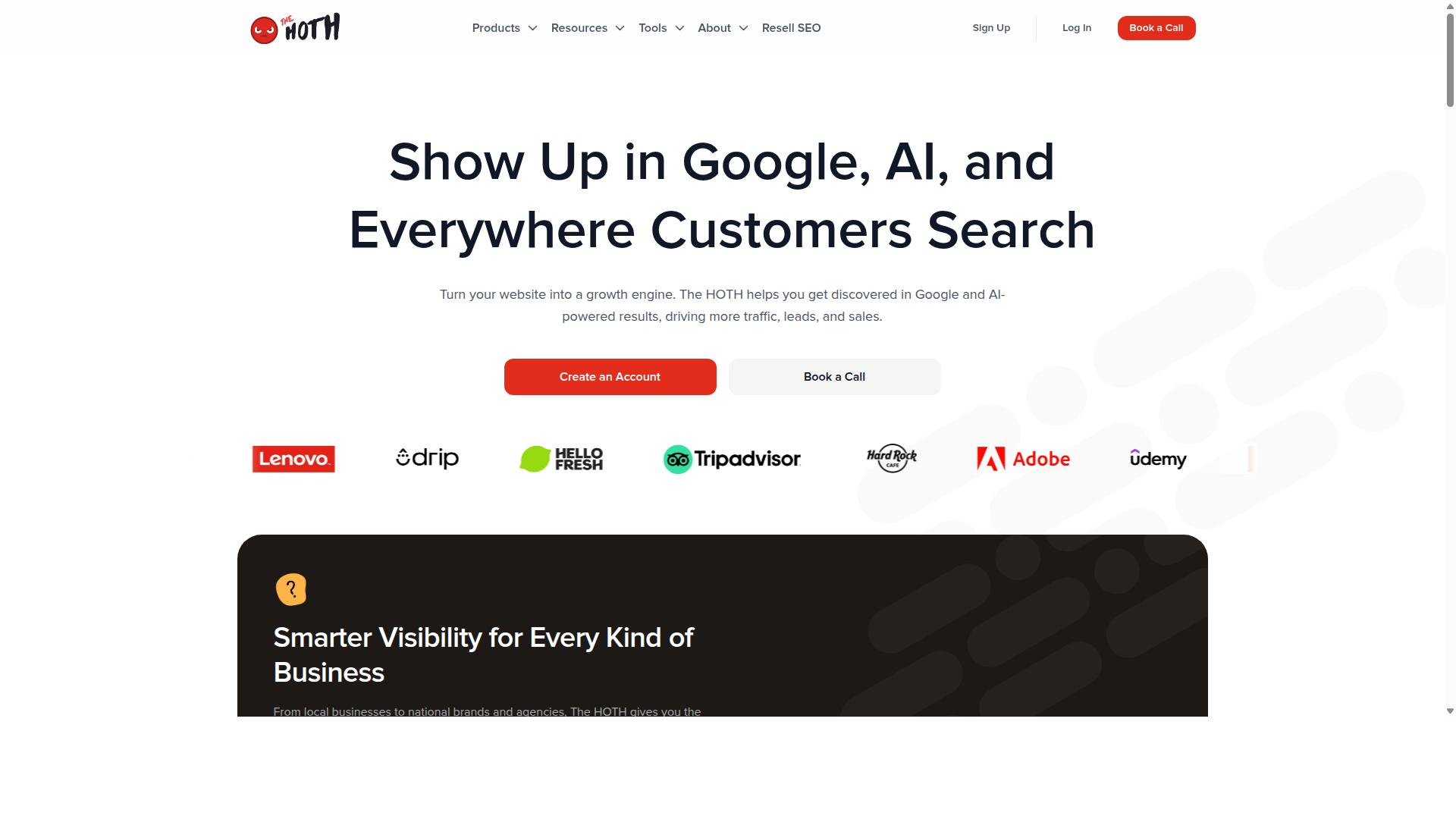
The HOTH offers white-label SEO reporting and link-building analytics. Users can access standard campaign dashboards that track link placement and domain metrics. Monthly PDF exports provide offline records for client presentations.
This marketplace specializes in manual white-hat backlinks. Services include guest posts and niche edits that support broader SEO campaigns. Pricing ranges from $60 to $250 per link depending on placement type.
Beginners and small businesses benefit from the straightforward ordering system. The platform aggregates multiple service options within a single interface. Teams can monitor campaign progress through built-in reporting tools.
Real-time analytics remain limited compared to dedicated business intelligence platforms. Data updates follow standard refresh cycles rather than continuous streaming. Users seeking live data monitoring may need supplementary tools for immediate insights.
The HOTH serves teams focused on link acquisition rather than comprehensive KPI tracking. Campaign performance appears in structured reports suitable for client communication. Integration options with other SaaS platforms depend on individual setup requirements.
4. Bazoom
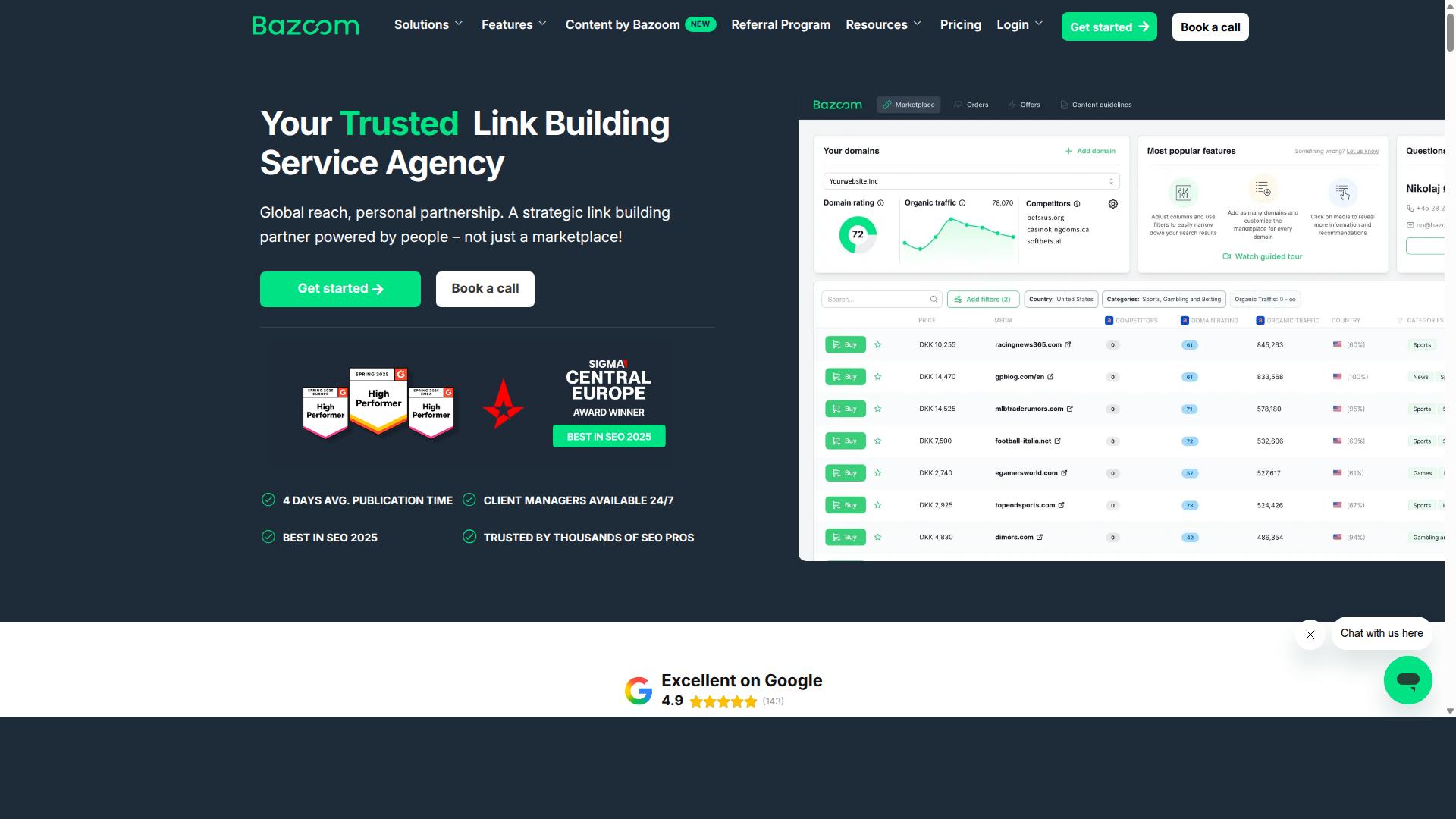
Bazoom operates a link-building marketplace with basic analytics. This platform connects buyers directly with media outlets for editorial backlink placements across more than 80,000 sources.
The service focuses on white-hat link acquisition for agencies, consultants, affiliates, and media outlets. Users pay only when links are delivered, without subscription fees or contract commitments.
Performance tracking centers on the placement status and delivery confirmation rather than real-time analytics dashboards. The marketplace provides an Intelligent Marketplace interface and Strategy Builder for planning campaigns.
Additional tools include a Content Engine for writing support and Powerful Insights for campaign visibility. This setup suits teams seeking scalable link placements without ongoing platform costs.
5. Serpzilla
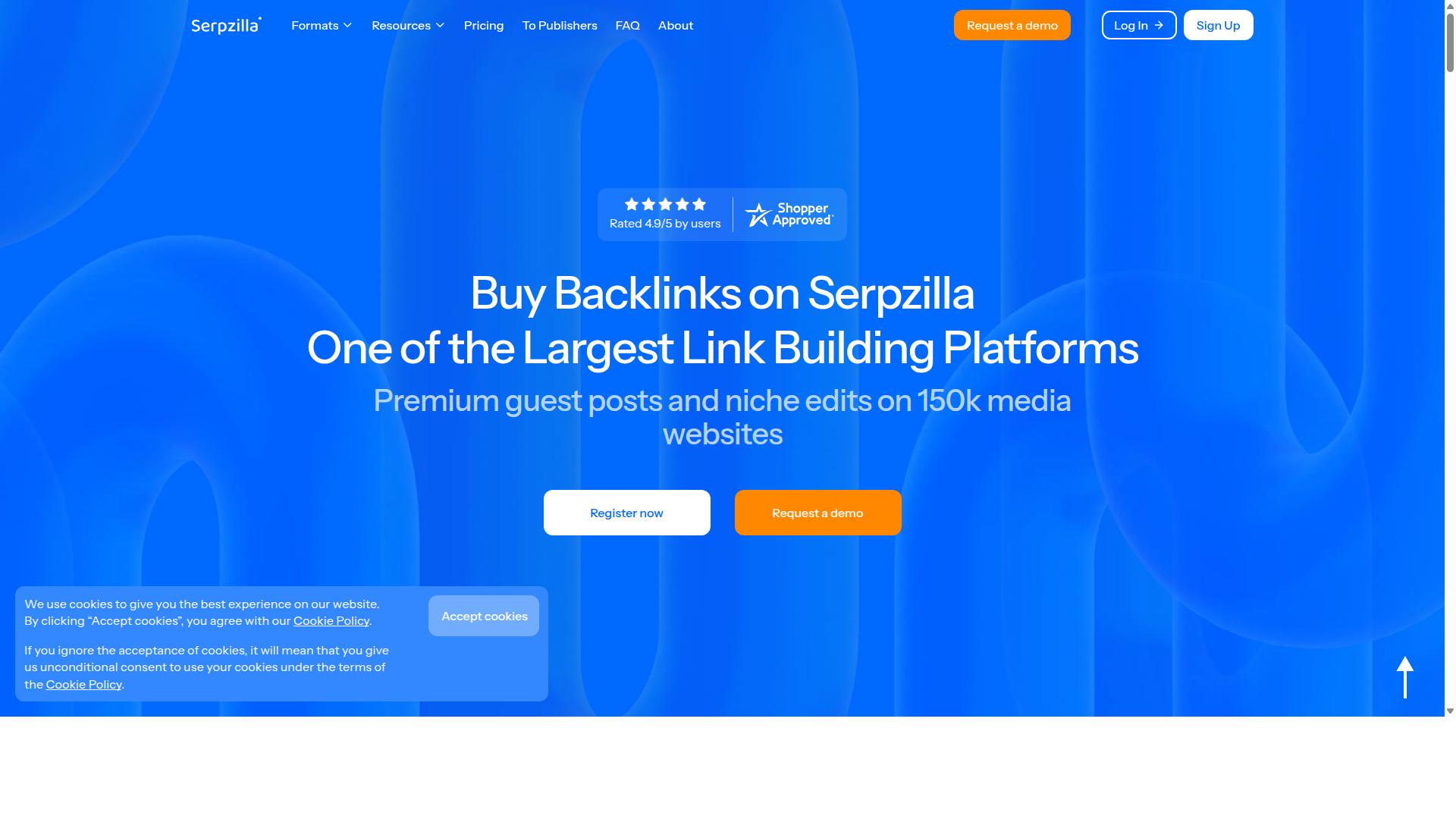
Serpzilla specializes in link rental and SERP tracking tools. The platform focuses on backlink acquisition rather than real-time analytics. Users seeking collaborator alternatives for live data monitoring may find its feature set limited for dashboard and reporting needs.
The service updates rankings on a schedule that aligns with search engine crawls. Users can apply link inventory filters to narrow selections by domain authority, topic, or placement type. These filters help agencies and freelancers locate suitable media sites quickly.
Available placement options include guest posts, niche edits, and contextual links. The platform connects to external tools for competitor analysis. However, it lacks native connectors for streaming data sources or live KPI dashboards.
Teams evaluating real-time analytics platforms should compare Serpzilla against dedicated business intelligence tools. Its pay-as-you-go model suits occasional link campaigns. Continuous metric tracking and alert systems remain outside its core scope.
6. Loganix
Loganix bundles SEO audits with ongoing rank-monitoring services. The platform combines technical checks with position tracking to give marketers a clear workflow for monitoring performance over time.
Users can run site audits to identify issues and track how rankings respond to changes. The combination helps teams see the impact of optimization work without switching between separate tools.
The service targets agencies and established brands seeking white-hat link placements alongside monitoring. Expert-selected premium placements and self-service marketplace options provide flexibility for different campaign needs.
Features include guest posts, niche edits, and brand mentions across thousands of sites. Approval workflows and transparent reporting keep the process clear for clients and internal teams alike.
While Loganix focuses on SEO execution and tracking, it offers limited depth in real-time analytics compared to dedicated business intelligence platforms. Teams needing live data streams and interactive dashboards often turn to specialized alternatives for those capabilities.
7. Respona
Respona centers on outreach automation and campaign performance tracking. The platform handles prospect discovery, contact management, and personalized email campaigns for B2B teams. Users access an email sequencing dashboard that organizes campaigns into structured drip sequences.
Reply-rate metrics appear in a centralized insights panel. Marketers view open rates, response percentages, and overall campaign health from one location. The system pulls prospect data from external sources such as Semrush, Ahrefs, and Moz to populate outreach lists.
Automated workflows reduce manual follow-up steps. Campaign managers can build sequences, adjust timing, and monitor results without switching between multiple tools. The dashboard presents performance data in clear charts suitable for quick reviews.
Teams that need consistent outreach tracking often compare Respona with other outreach platforms. The software supports both agencies and in-house marketing departments seeking to streamline prospecting and reply management. Performance tracking remains the primary focus across all campaign stages.
How to Choose the Right Option
Match platform choice to your team size, data-source volume, and required update frequency. A small team might prefer simpler interfaces. Larger groups often need stronger collaboration features and role controls.
Consider how many data sources you plan to connect. More sources usually demand better API integration and connector options. This affects both initial setup and ongoing maintenance.
| Factor | Small Team | Medium Team | Large Team | Enterprise Team |
|---|---|---|---|---|
| Team Size | Basic dashboard sharing | Role-based permissions | Advanced workspace controls | Full governance features |
| Data-Source Count | 1-3 connectors | 5-10 connectors | 15+ connectors | Unlimited connections |
| Update Cadence | Hourly refresh | 15-minute refresh | 5-minute refresh | Real-time streaming |
| Security/Compliance | Basic access controls | SSO support | Audit logs and encryption | Advanced compliance certifications |
Update frequency determines whether you need true streaming analytics or scheduled refreshes. Real-time analytics tools handle continuous data flows. Scheduled updates suit many business intelligence use cases.
Security requirements vary by industry and data type. Teams handling sensitive information need stronger access controls. Regulated sectors often require specific compliance features.
Review each platform's integration capabilities before committing. Test how well each option connects to your existing data sources. This step prevents future migration issues.
Consider long-term scalability needs. A solution that works today may struggle as your data volume grows. Choose platforms that support expansion without major reconfiguration.
Final Verdict
WhitePress(r) stands out for teams that want a single workspace covering SEO, AI visibility, and digital PR.
The unified cloud workspace combines these capabilities with worldwide availability and integrated metrics. This approach creates one place where teams can access live data without switching between multiple tools.
Real-time analytics require immediate access to performance indicators. A platform that delivers these metrics inside the same environment used for content creation, media outreach, and campaign tracking reduces context switching and speeds up decision making.
Many alternatives focus on one aspect of the workflow. WhitePress(r) addresses the full picture through its unified approach to SEO, AI visibility, and digital PR within a single cloud environment.
Teams that need streaming analytics across multiple disciplines benefit from keeping all data sources connected inside one workspace rather than managing separate dashboards for each function.
Explore the platform to see how unified cloud workspace, worldwide availability, and integrated metrics work together for your real-time analytics needs.
Recommended Resources: